A Guide to Gravel Biking in Otago
Trail tips and route recommendations to help plan your next gravel biking trip to Otago
With more than 25 years of investment in bike-friendly infrastructure, Otago is one of New Zealand’s best destinations for gravel biking. The region offers an extensive network of purpose-built, off-road cycle trails - its 5 Great Rides - complemented by hundreds of kilometres of quiet gravel roads that weave through some of the most diverse and dramatic scenery in Te Waipounamu, the South Island.
17th August 2026
For gravel bike riders - or gravelleurs as they're known - that mix creates endless possibilities. Gravel biking routes can be shaped into day rides, overnight credit card rides, or longer multi-day bikepacking adventures. With the Great Rides providing the backbone, routes are well connected to the region’s established trail towns, where good coffee, food, bike-friendly accommodation and resupply points are rarely far away.
The dry, continental climate adds to the appeal. Otago’s warm summers with their long daylight hours, colourful autumn days and crisp, dry winters make gravel biking possible throughout the year.
Gravel biking in Otago is easily accessible. Well-documented gravel routes start from key hubs like Queenstown, Alexandra, Cromwell, Clyde, Roxburgh, Lawrence, Ranfurly and Naseby. These towns have developed around the Great Rides and offer services including bike shops, shuttles, bike transport, baggage transfers, great local hospitality and a wide variety of accommodation options, making them ideal for exploring Otago’s cycle trails and unpaved backcountry roads.

Otago has hundreds of kilometres of gravel roads to explore...
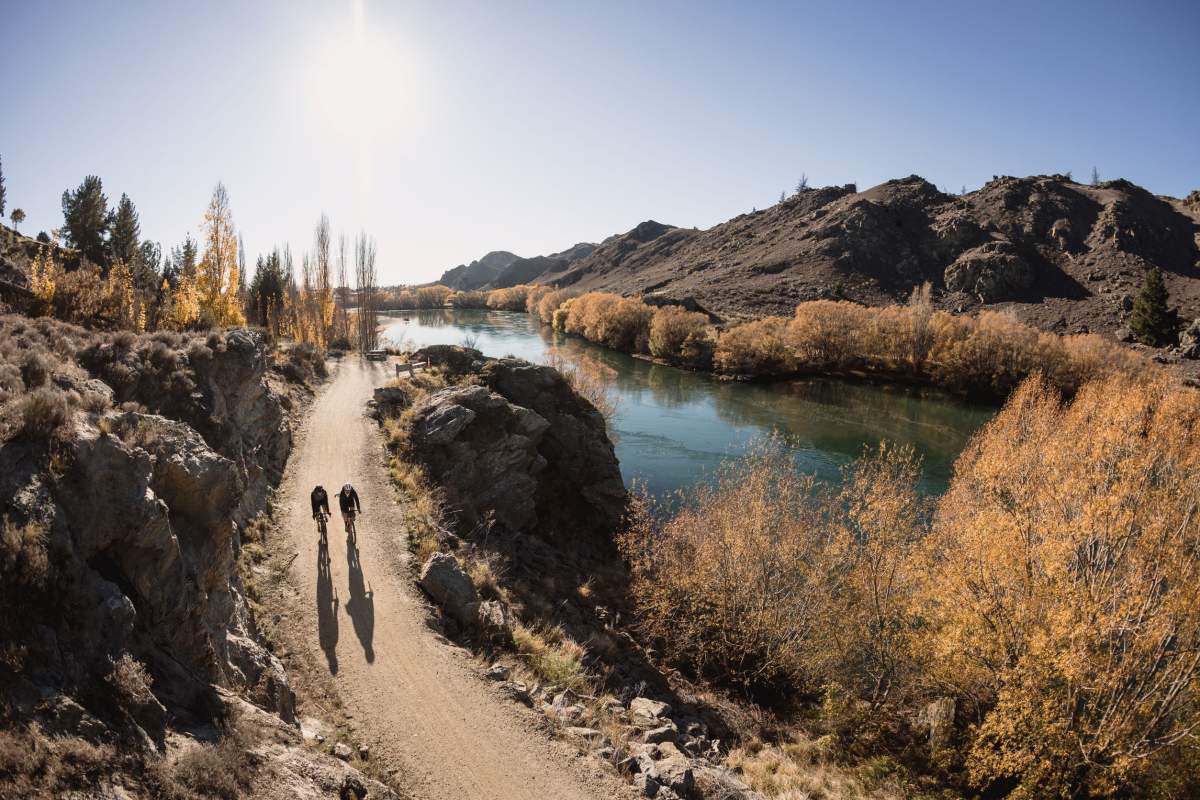
...connected to the backbone of Great Rides like the Roxburgh Gorge Trail (photos: Cameron MacKenzie)
Gravel Biking Basics
Gravel biking sits in the sweet spot between road cycling and mountain biking. It retains some of the efficiency of road biking, but adds the stability, comfort and resilience needed for rougher, unpaved surfaces. Gravel bikes usually feature drop handlebars, wider tyres, easier gearing and more relaxed geometry than a road bike. Many will also include integrated rack mounts for panniers and frame bags for bikepacking.
Unlike mountain bikes, which are generally built for more technical tracks with obstacles like jumps, rocks and tree roots, gravel bikes are designed for mixed terrain: rural roads with compacted gravel surfaces, farm tracks or forestry roads, and of course unpaved cycle trails such as Otago’s Great Rides.

Gravel bikes have wider tyres with more tread than road bikes.

They often have frame mounts for panniers and bags (photos: Riley McLay)
Do you need a specific gravel bike to enjoy gravel biking?
No, not necessarily. Most of the bikes you’ll see in Otago on the Great Rides will be hardtail mountain bikes, E-Bikes, or hybrid bikes. If you only plan to ride relatively short distances each day - about 30km -50km, then a mountain bike or E-Bike will do the job more than adequately.
Mountain bikes and E-Bikes are widely available for hire across Otago from bike shops and cycle tour operators, and generally come equipped with panniers, a basic tool kit and helmet.
Where a gravel bike comes in to its own is for covering longer distances, where they’re much more efficient and faster than a mountain bike. Daily distances of 100km or more can comfortably be covered on gravel bike. However, this does of course depend on your fitness level, the trail surface, weather conditions and amount of gear you’re carrying.
Gravel bikes are available for hire from some specialist bike shops, and an increasing number of bike tour operators are beginning to offer gravel bike specific itineraries or stock gravel bikes in their rental fleets. However, gravel bike hire is not as common as mountain bikes or E-Bikes.
Planning your Gravel Bike Trip to Otago
1. Getting Here
Queenstown and Dunedin are key gateways, and both have airports serviced by regular domestic and trans-Tasman flights. Invercargill domestic airport is also an option that’s widely used by riders undertaking the Tour Aotearoa (length of NZ ride).
Queenstown Airport has an excellent guide to flying with a bike here. Flying With A Bike | Official Queenstown Airport website
By car, the Central Otago Touring Route between Queenstown and Dunedin connects to the trails at key locations through Central Otago.
2. Independent Riding vs Supported Itineraries
Both are viable options. Independent riding is very achievable in Otago, especially if you’re comfortable planning your own route, booking accommodation and carrying what you need for a multi-day trip. The network of trail towns makes it easy to resupply, find meals and break the journey into manageable sections.
If you’d rather travel light, there are plenty of local operators who can help with route planning, luggage transfers, shuttles, bike hire, and accommodation in advice. A semi-supported ride can be a good option for your first trip and if you want the feel of an independent adventure without carrying everything on the bike.
Find a local bike tour operator here:
Queenstown Trails | Otago Central Rail Trail | Lake Dunstan Trail
Clutha Gold Trail | Roxburgh Gorge Trail

Queenstown is a key gateway to the Otago Trails

The harbour city of Dunedin is another gateway to the Otago region
3. Best Time to Ride
Spring, summer and autumn are all good times to ride. Summer brings long days and warm weather, but it can also be hot and exposed, so early starts and carrying plenty of water is recommended. Autumn is a favourite for many riders, with cooler temperatures, settled conditions and those classic Otago autumnal colours.
Winter gravel biking is also an option but be aware that some routes can be affected by weather, and you should expect snow and ice on higher or more remote roads. Shady trails or roads can be affected by freeze / thaw conditions which can make for a mud-fest.
Summer Ride Guide | Winter Ride Guide
4. What Gear Do I Need?
For any gravel bike ride, you’ll need a quality helmet, toolkit and spares, snacks and water plus warm / wet weather gear depending on your route and the forecast. A small first aid kit and a mobile phone (or personal locator beacon if you’re heading into the backcountry) are also recommended additions.
For a multi-day gravel biking or bikepacking trip you’ll probably need less than you think - but enough to be comfortable and safe. For multi-day rides based on or around the Great Ride network, take two sets of riding clothes, warm layers, wet-weather gear, tools and spares, toiletries, phone & charger, snacks and water. If you’re staying in accommodation each night, you can keep your setup light.
For more remote, multi-day gravel biking trips, you’ll need to be fully self-sufficient which means more kit. You’ll need to carry extra food, water, repair gear, navigation tools and additional clothing for changing weather, plus a tent, sleeping bag and cooking gear if you’re planning on camping.
Otago weather can change quickly, especially in the hills. So, for remote and self-supported gravel bike missions it’s wise to pack with contingency for bad weather, mechanical issues or other unforeseen delays.
Ngā Haerenga New Zealand Cycle Trails has a very detailed guide on what to pack here.
Gravel Bike Routes in Otago
The best gravel biking routes are always the ones which you have planned and mapped out with yourself or with friends. But, to get you started here are some popular options.
- Otago Central Rail Trail – the perfect introduction to gravel biking on a well-maintained gravel trail, with plenty of options for coffee stops or a cold beer en route. A classic point-to-point ride with lots of interesting side trips like Poolburn, St Bathans, Naseby or Danseys Pass to check out.
- Queenstown Trails – this network of over 150km of trails also makes a great introduction to gravel biking. It’s super easy to map out loop rides making transport logistics a doddle.
- Lake Dunstan Trail – a classic day ride between Cromwell and Clyde through the Cromwell Gorge. Beware of other cyclists on the exposed, narrow sections. Combine with the Hawksburn Road for a longer and hillier circuit (see Cairnmuir Circuit below).
- Roxburgh Gorge Trail and Clutha Gold Trail – these two trails combine to make a spectacular journey along the mighty Clutha River between Alexandra and Waihola, with interesting side trips available on quiet gravel roads.
- The Big Loop - links all 5 Great Rides into a 500km multi-day epic; the ultimate Otago gravel adventure
- Southern Way 1000 – New Zealand’s latest bikepacking route is a spectacular 1,000km loop through the lower South Island and is ideal for gravel biking.
Backcountry Options
- Cairnmuir Circuit - a solid 1-day, 70km loop ride which incoproates the Lake Dunstan Trail
- Oteake Conservation Area - various routes that can connect with the Otago Central Rail Trail
- Naseby & Danseys Pass - plenty of great gravel roads in the Maniatoto between Naseby, Ranfurly and Waipiata. Ride over Danseys Pass to connect to the Alps to Ocean Great Ride.
- Thomsons Gorge - Hawksburn Loop - a classic 2-day bikepacking loop through Central Otago
- Reclaiming Wild - an account of a 3-day bikepacking trip through the best of Central Otago
Check out the 5 bikepacking routes for beginners below – also perfect for a first time gravel bash.
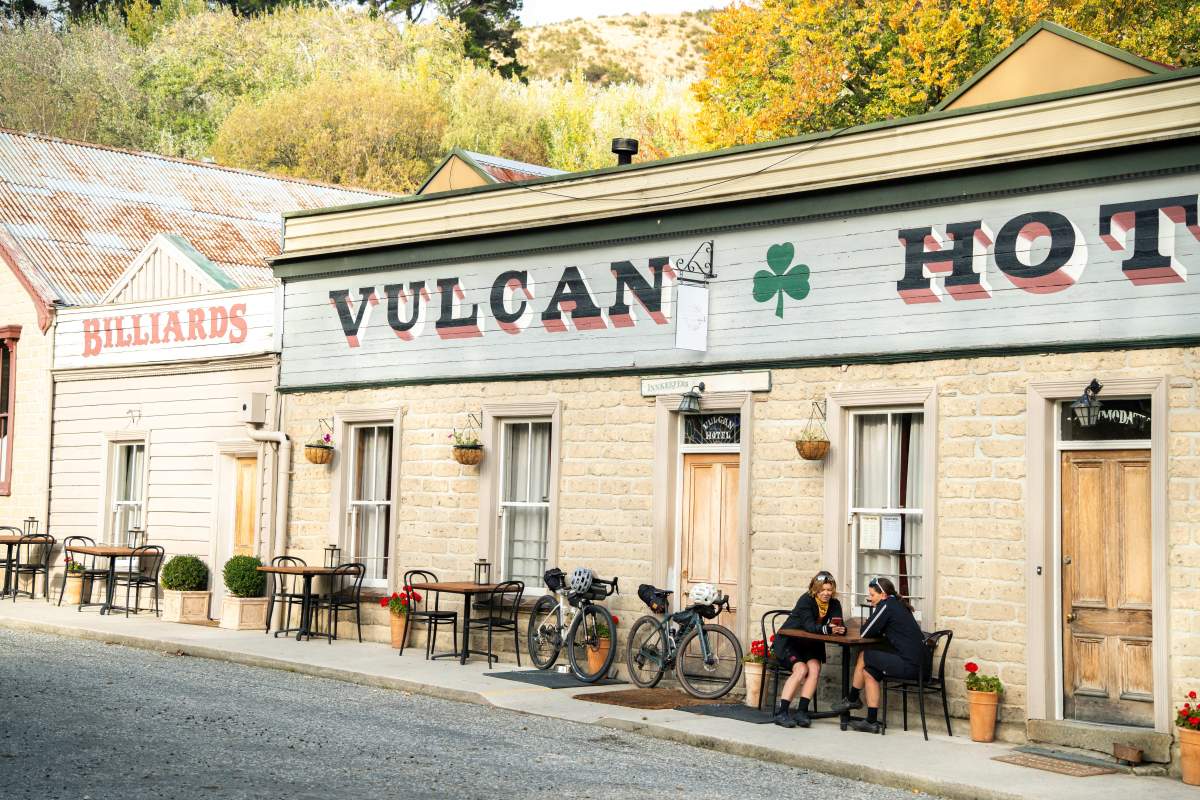
In Otago, gravel roads frequently lead great country pubs (Vulcan Hotel, St Bathans)
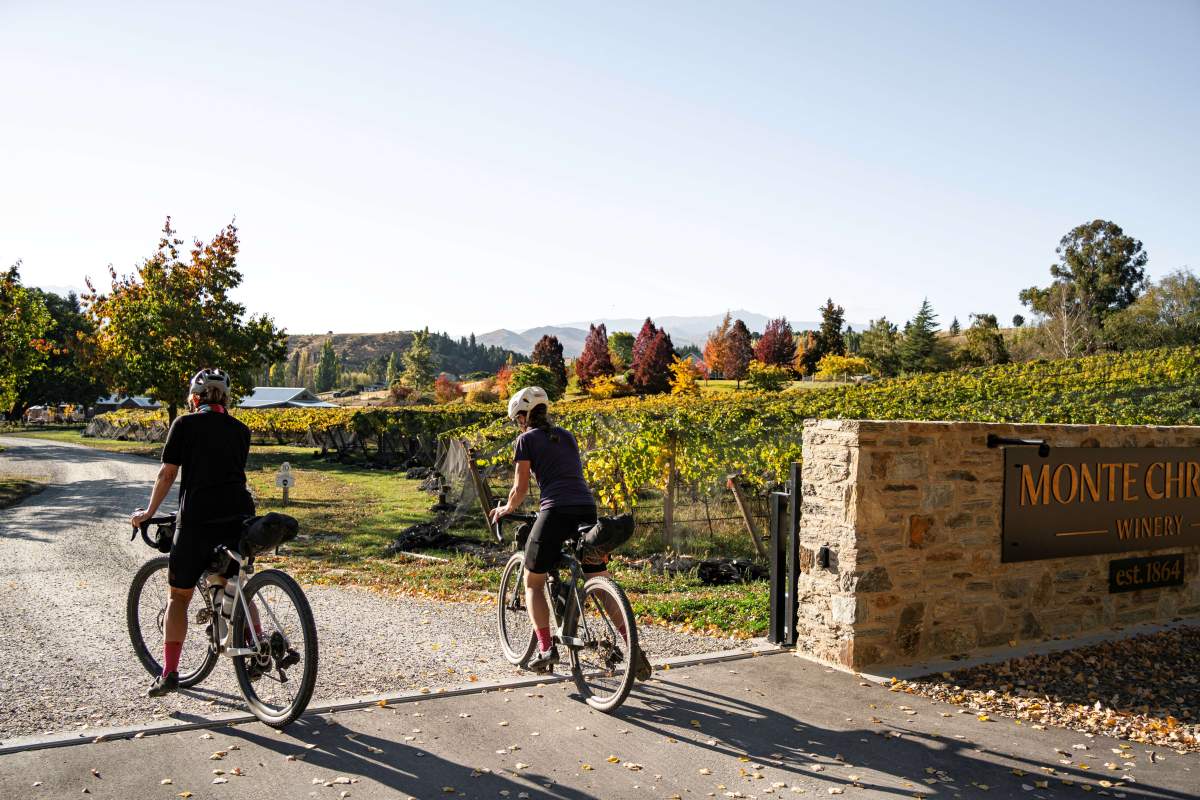
Or wineries! Monte Christo Winery on the Otago Central Rail Trail
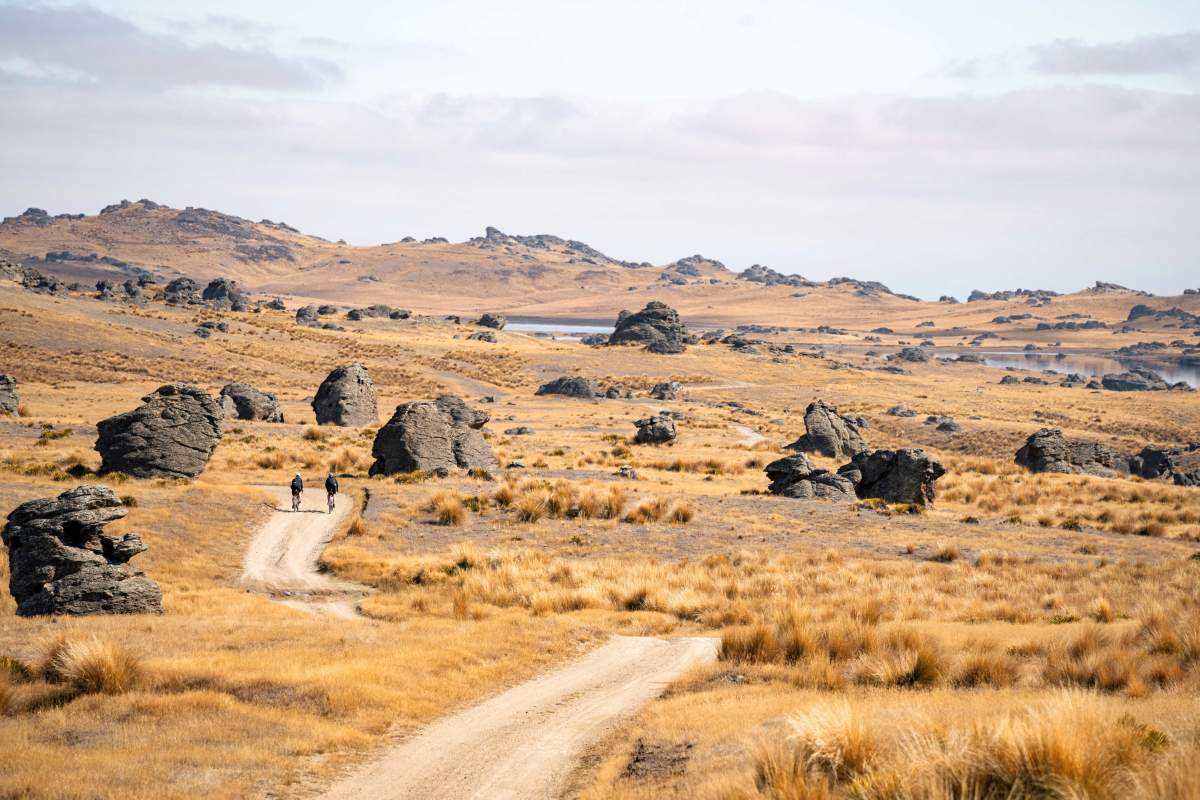
Iconic landscapes such as these have made Otago a mecca for gravel bikers
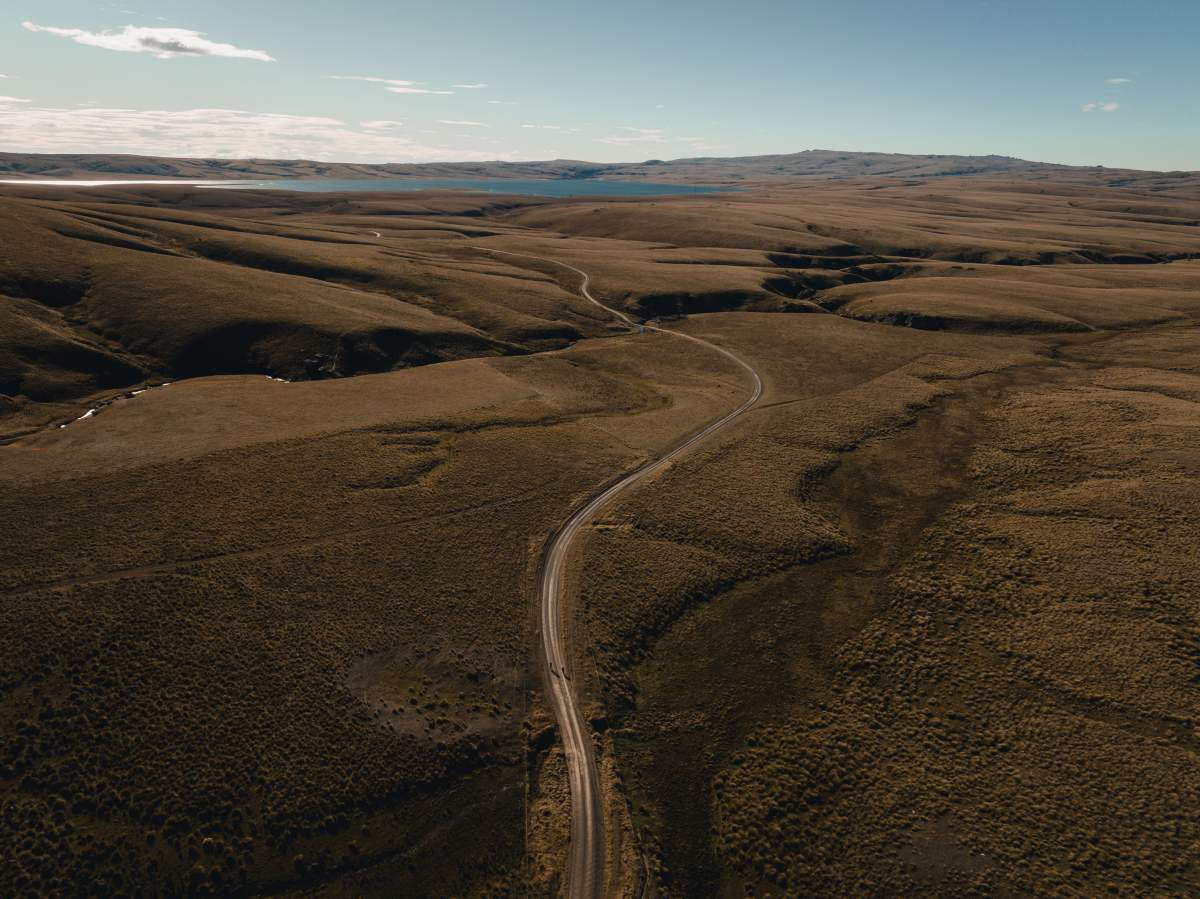
Gravel roads as far as the eye can see....

Related Stories
-

Spring Cycling For Beginners
Haven’t ridden over winter? Follow this easy six-week training guide and build up to a multi-day spring ride on one of Otago’s cycle trails.
Read more about Spring Cycling For Beginners -
E-Biking the Otago Trails What You Need to Know
New to E-biking or planning your first multi-day cycle holiday? Here’s what you need to know before exploring Otago’s Great Rides.
Read more about E-Biking the Otago Trails What You Need to Know -
Credit Card Rides
A credit card ride is a “light” version of a fully self-supported bikepacking trip.
Read more about Credit Card Rides -
Reclaiming Wild
Two gutsy girls on an epic bikepacking mission to celebrate their 50th birthdays.
Read more about Reclaiming Wild -